- A bowl of broth based vegetable soup in the United States holds about 100 to 200 calories, so it fills the stomach for very few calories and leaves less room for the main course.
- Creamy soup is a different food, because cream, cheese and butter push one bowl to 350 to 500 calories, which is close to a full meal on its own.
- Soup helps weight loss through volume and slow eating, not through any fat melting power, because water and vegetables add bulk while protein and fiber keep hunger away for hours.
- The best soup habit is simple, start lunch or dinner with a small bowl of broth soup, add lean protein and vegetables, and skip the bread basket and the cheese topping.
Is Soup Good for Weight Loss And What The Research Says
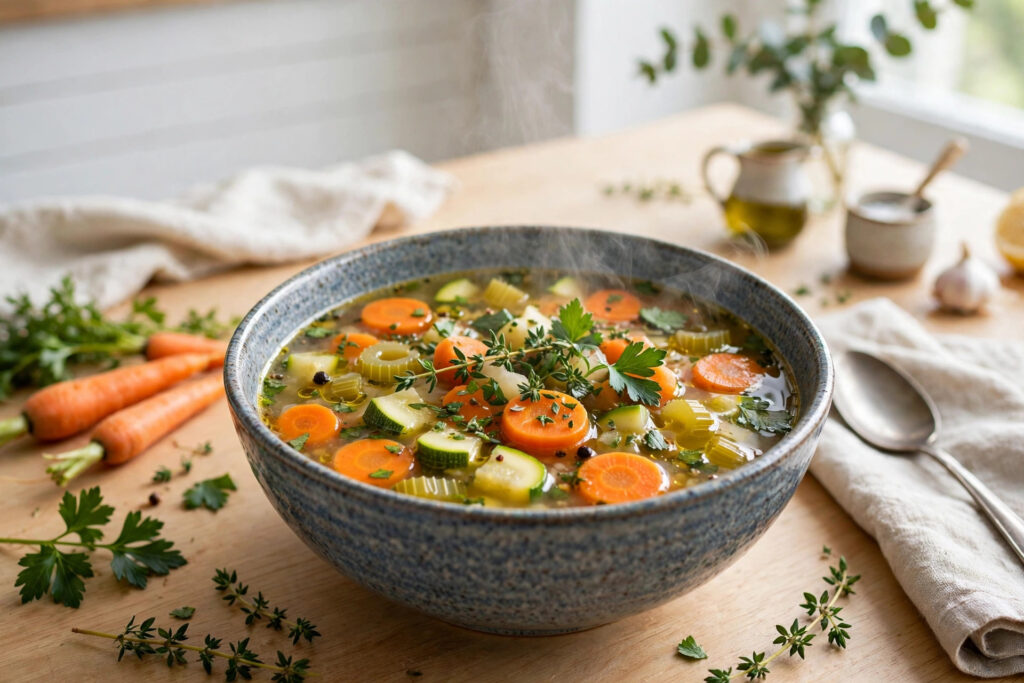
When people ask is soup good for weight loss, the honest answer is yes for the right kind of soup and no for the wrong kind, because soup is not one food. A clear broth with vegetables and beans is mostly water, and water adds weight to the bowl without adding calories, so the stomach feels full on very little energy. A thick creamy soup is mostly fat, and fat adds a lot of calories in a small bowl, so the stomach feels full only after a large number of calories has already arrived.
Research on food volume supports the broth soup habit in a plain way. Studies that served a small bowl of low calorie soup before lunch found that people ate about 12 percent fewer calories at that lunch and still felt just as full, and the effect held across many weeks. The soup did not burn fat on its own, it simply took up space first, so the rest of the meal shrank without any feeling of missing out. That is the whole trick, and it works only when the starter soup is low in calories, because a rich starter adds calories instead of saving them.
For weight loss, the number that matters is the daily calorie deficit, and soup is one of the easiest ways to build it. A deficit of 300 to 500 calories a day leads to about half a pound to 1 pound of fat loss per week, and swapping a 600 calorie starter for a 150 calorie bowl of vegetable soup saves 450 calories in one move. Do that five days a week and the saving reaches more than 2,000 calories, which is close to two thirds of a pound of fat, all from one small change that needs no willpower at the main course.
The good news is that soup is also one of the cheapest and simplest foods to make at home in the United States. A pot of lentil soup or chicken vegetable soup costs a few dollars, cooks in one pot, and lasts for four or five meals in the fridge, so the healthy choice is ready before hunger arrives. A person who keeps a pot of broth soup in the fridge has already solved the hardest part of weight loss, which is having a low calorie option ready when the day gets busy.
Broth Soup Vs Creamy Soup Calories In The United States
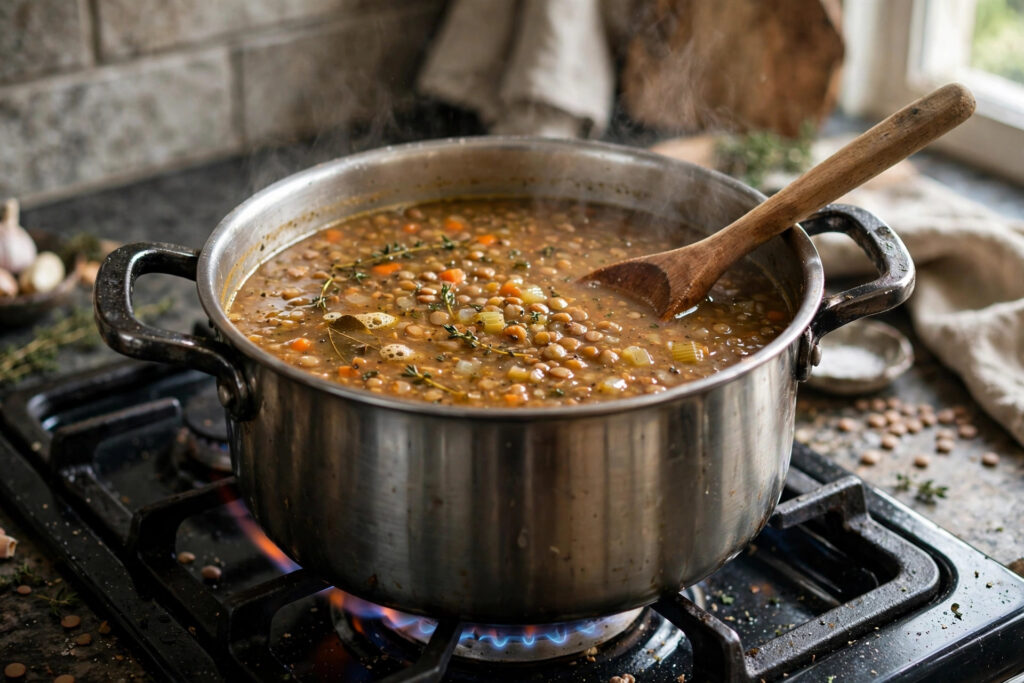
The gap between broth soup and creamy soup is large enough to decide the result on its own. A cup of tomato soup made with broth holds about 90 to 120 calories, a cup of chicken vegetable soup holds about 120 to 160 calories, and a cup of lentil soup holds about 180 to 220 calories with about 10 grams of protein and plenty of fiber. Those numbers leave room for a normal main course, and the meal stays inside a useful calorie budget.
Creamy soup tells a different story. A cup of cream of mushroom soup holds about 200 to 250 calories, a cup of New England clam chowder holds about 250 to 300 calories, and a cup of broccoli cheddar soup from a cafe holds about 350 to 450 calories, with most of those calories coming from cream, butter and cheese. Add a bread roll and a sprinkle of extra cheese on top and one bowl can pass 600 calories before the main course has even started, which is why so many people eat soup every day and still gain weight.
Ramen and instant noodle soup sit in the middle and need care, because the noodles are cheap and filling but the packet is high in sodium and low in protein and fiber. A packet of instant ramen holds about 350 to 400 calories with about 1,500 milligrams of sodium, and it leaves hunger back within two hours. The fix is simple, cook the noodles with half the seasoning packet, add an egg and a handful of frozen vegetables, and the same bowl gains protein and fiber while the sodium falls.
Sodium is the part of soup that most people miss, because canned soup in the United States often holds 700 to 900 milligrams of sodium per cup, which is close to half the daily limit in one bowl. Sodium does not add fat, but it holds water in the body, so the scale can jump by 1 or 2 pounds the morning after a salty soup, and that jump can look like weight gain even when fat has not changed. Choose a low sodium can when possible, aim for under 600 milligrams per cup, and drink water through the day so the body can let the extra water go.
Why Soup Helps Weight Loss In Real Life
The first reason soup helps is volume, because the stomach senses fullness from the weight of food as well as from calories, and a bowl of soup weighs about 250 grams while holding only 150 calories. A sandwich of the same weight can hold 500 calories, so the same full feeling costs three times more energy. That gap is the reason soup feels so satisfying for so few calories, and it is also the reason a small bowl before a meal cuts the total calories of that meal without any sense of dieting.
The second reason is speed, because soup is hot and eaten with a spoon, so a bowl takes 10 to 15 minutes to finish, and that time lets the fullness signal reach the brain before the next course arrives. Fast food eaten in five minutes gives the brain no time to catch up, so hunger stays high even after enough calories have arrived. Soup forces a slower pace, and a slower pace is one of the simplest weight loss tools that costs nothing at all.
The third reason is protein and fiber, because a soup built on lentils, beans, chicken or fish keeps hunger away for three or four hours, while a thin broth with no protein leaves hunger back in one hour. Protein slows stomach emptying, fiber feeds the gut and steadies blood sugar, and together they stop the snack craving that usually follows a light lunch. The rule is plain, every soup that is meant to help weight loss needs a protein source and a fiber source inside the bowl, not beside it on a plate of bread.
The fourth reason is habit, because soup is easy to repeat. A person who eats soup as a starter five days a week builds a routine that needs no decision and no new recipe each day, and routines survive tired evenings while new diets fail. Keep two or three soup recipes on rotation, one lentil, one chicken vegetable, one bean and tomato, and the healthy choice becomes the default choice, which is the only kind of choice that lasts for months.
7 Powerful Ways To Use Soup For Weight Loss
- Start the meal with soup. Eat a small bowl of broth based vegetable soup 10 minutes before lunch or dinner, about 150 calories, and the main course will shrink on its own. This one habit can save 200 to 400 calories a day, and it works best when the soup is served first and the main course waits, because hunger is highest at the start of the meal and fullness arrives too late to help if the soup comes last.
- Add lean protein to every bowl. Stir in shredded chicken, white beans, lentils, tofu or a boiled egg, and aim for at least 10 to 15 grams of protein per bowl. Protein turns a light starter into a real meal that holds hunger for hours, and it protects muscle while fat comes off, which keeps daily calorie burn higher. A soup with no protein is a snack, not a meal, and it will send hunger back before the next meal.
- Load the bowl with vegetables. Fill at least half the pot with carrots, celery, onions, spinach, cabbage, zucchini and tomatoes, because vegetables add bulk and fiber for almost no calories. A soup that is mostly vegetables can be eaten in a large bowl for 200 calories, while a soup that is mostly noodles or cream needs a small bowl to stay at the same number. Vegetables are also the cheapest way to make a pot of soup feed a family for two days.
- Skip the bread and cheese topping. A bread roll adds about 150 calories, a sprinkle of cheese adds about 100 calories, and a swirl of cream adds about 50 calories, so the toppings can double the calories of the soup itself. If the meal needs something to chew, choose a small whole grain roll on the side and count it as part of the meal, not as a free extra, and leave the cheese in the fridge for a day when the soup itself is very light.
- Choose low sodium cans and read the label. Look for a can with under 600 milligrams of sodium per cup and at least 3 grams of fiber, and check that sugar is under 5 grams per cup, because some tomato soups hide added sugar. If the only can on the shelf is high in sodium, eat half a cup of soup with a large salad instead of a full bowl, and drink an extra glass of water with the meal so the body can clear the extra salt.
- Make soup the dinner, not an extra course. On busy nights, serve a large bowl of lentil soup or chicken vegetable soup as the whole dinner with a side salad, about 350 to 450 calories in total, instead of serving soup plus a full dinner. This turns soup from a starter into a complete meal, and it saves the calories of a second course while still feeling warm and filling. Keep frozen soup portions ready for those nights, because a ready meal beats a takeaway order every time.
- Cook a pot on Sunday for the week. Spend one hour on Sunday making a large pot of broth soup, divide it into five containers, and lunch for the work week is ready. A ready lunch stops the daily choice between a fast food meal and a skipped meal, and it saves money as well as calories, because one pot costs less than five cafe lunches. Change the recipe each week so the habit stays fresh, and keep a second pot in the freezer for the week when Sunday is too busy.
Mistakes That Waste Your Soup
The mistakes below are the reason the answer to is soup good for weight loss changes from simple to frustrating in real life, because the bowl counts calories, not good intentions, and the gap between the two is where most plans fail. The first mistake is choosing creamy soup every time. A person who eats broccoli cheddar soup with bread for lunch takes in 600 calories and calls it a light meal, then wonders why the scale does not move, because the word soup feels healthy even when the bowl is mostly cream and cheese. Judge the soup by the recipe, not by the name, and save creamy soup for a rare treat.
The second mistake is eating soup as an extra course. A person who eats a full dinner and then adds a bowl of soup on top has added 200 calories to a meal that was already enough, and the extra bowl does not help at all. Soup saves calories only when it replaces food, not when it joins food, so serve the soup first, wait ten minutes, and then serve a smaller main course, or serve the soup as the meal itself.
The third mistake is trusting canned soup blindly. A can that says healthy on the front can still hold 800 milligrams of sodium and 10 grams of sugar per cup, and no label is exact, so the numbers on the back matter more than the words on the front. Read the sodium and sugar lines every time a new can is bought, and judge the weekly trend of the scale and the waist, not a single salty day, because one salty bowl can hide a week of real progress under water weight.
The fourth mistake is forgetting protein. A thin vegetable broth with no beans, lentils, chicken or egg leaves hunger back within one hour, and the snack that follows can add more calories than the soup ever saved. Every weight loss soup needs a protein anchor, and the cheapest anchors are lentils and beans, which cost very little and add fiber at the same time.
The fifth mistake is soup only dieting. A person who eats only soup for days loses weight fast at first, then loses muscle as well, and the weight returns as soon as normal food comes back, because a soup only plan is too low in calories and too low in variety to last. Soup is a tool inside a normal diet, not a diet on its own, and the right place for soup is as a starter or as one meal a day inside a balanced week.
How To Buy And Cook Soup In The United States
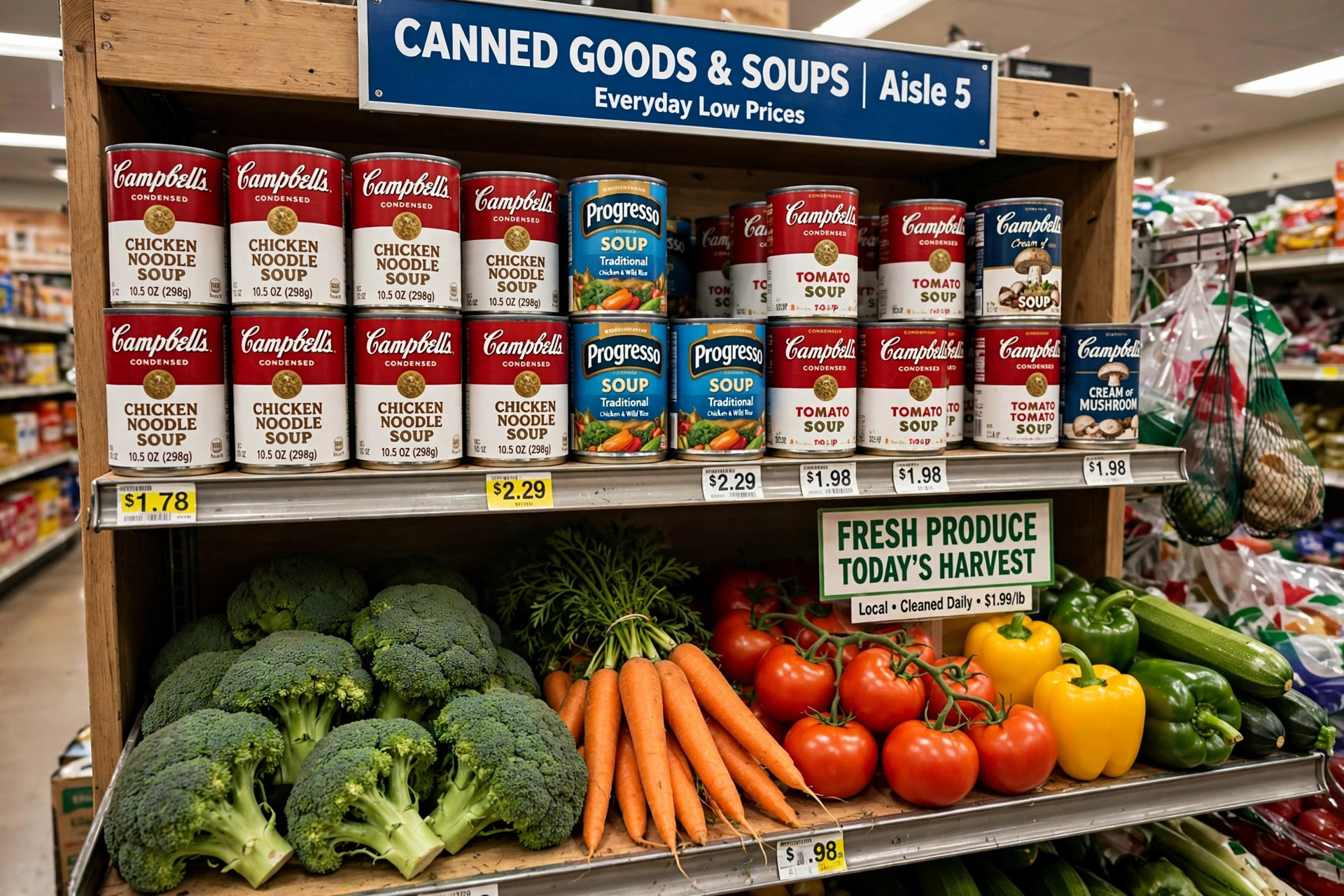
A good canned soup is easy to spot when the label is read in the right order. Start with sodium and aim for under 600 milligrams per cup, then check fiber and aim for at least 3 grams, then check protein and aim for at least 5 grams, and last check sugar and aim for under 5 grams. A can that passes all four checks is a fair choice for a busy day, and a can that fails sodium but passes the rest can still work as a half portion with a salad on the side.
Homemade soup beats canned soup on every line of the label, because the cook controls the salt, the oil and the cream. Start with a low sodium broth, add onions, garlic, carrots and celery, then add lentils or beans and a lean protein, and finish with herbs and a squeeze of lemon instead of salt. A pot like that costs about 2 dollars per serving in the United States, keeps for five days in the fridge, and freezes well for a month, so the healthy choice is also the cheap choice.
Restaurant soup needs one extra question, because cafes often add cream and butter that never appear on the menu. Ask whether the soup is broth based or cream based, and choose the broth based option, or order a cup instead of a bowl and pair it with a salad instead of bread. A cup of broth soup with a salad is a complete lunch at about 350 calories, while a bowl of creamy soup with bread can pass 700 calories, and the menu will never show that gap.
FAQs
Is soup good for weight loss fast?
Fast weight loss still needs a daily deficit of about 500 to 750 calories, which means soup alone is not enough, and even with a small food cut the pace is about 1 to 1.5 pounds per week. Soup helps by saving 200 to 400 calories a day as a starter, but faster than that usually means muscle loss and a rebound, because the body fights back against a large deficit with hunger and tiredness. A pace of half a pound to 1 pound per week is safer and far more likely to last.
Can soup replace a meal for weight loss?
Yes, when the bowl holds at least 10 to 15 grams of protein and plenty of fiber, because a lentil soup or chicken vegetable soup at 350 to 450 calories is a complete meal. A thin broth with no protein cannot replace a meal, because hunger returns within one hour and the snack that follows can add more calories than the soup ever saved. Use soup as one meal a day at most, and keep the other meals balanced with protein, vegetables and whole grains.
How many calories are in a bowl of soup?
A bowl of broth based vegetable soup holds about 150 to 250 calories, a bowl of lentil soup holds about 250 to 350 calories, and a bowl of creamy soup holds about 350 to 500 calories before bread or cheese. The exact number depends on the recipe, the oil and the toppings, so a homemade pot is easier to count than a cafe bowl. Check the label on canned soup and count the toppings, because bread and cheese can add 200 calories to any bowl.
Is canned soup good for weight loss?
Canned soup can help when the label passes the checks, with sodium under 600 milligrams per cup, fiber at least 3 grams, and sugar under 5 grams, because the calories stay low and the bowl is ready in minutes. Many cans fail on sodium, so a salty can can hide progress under water weight for a day, and a creamy can can hold as many calories as a full meal. Choose low sodium broth based cans, eat a half portion with salad when sodium is high, and cook a pot at home when time allows.
How long does it take to see results from eating soup for weight loss?
Most people feel the first changes in 2 to 3 weeks, with less hunger at meals and looser clothes, and the scale usually follows in 4 to 6 weeks at a pace of half a pound to 1 pound per week. The tape measure around the waist often shows progress before the scale does, because soup saves calories steadily without raising appetite. A flat week inside that period is normal, and the right response is one small change, such as a larger bowl of broth soup before dinner, rather than a crash diet.
Conclusion
So the honest answer to is soup good for weight loss is that broth based soup helps a lot and creamy soup does not, because the benefit comes from volume, slow eating, protein and fiber, not from any magic in the bowl. A small bowl of vegetable soup before lunch, a lentil soup as dinner on busy nights, and a pot cooked on Sunday can save 300 to 500 calories a day without any feeling of missing out.
Start tomorrow by serving a small bowl of broth soup before dinner, with lean protein and vegetables inside and no bread or cheese on top. Judge progress over 8 to 12 weeks with the weekly average and a tape measure, not with a single salty day. The soup will fill the stomach, the calories will stay low, and the weight will follow the routine, one bowl at a time.