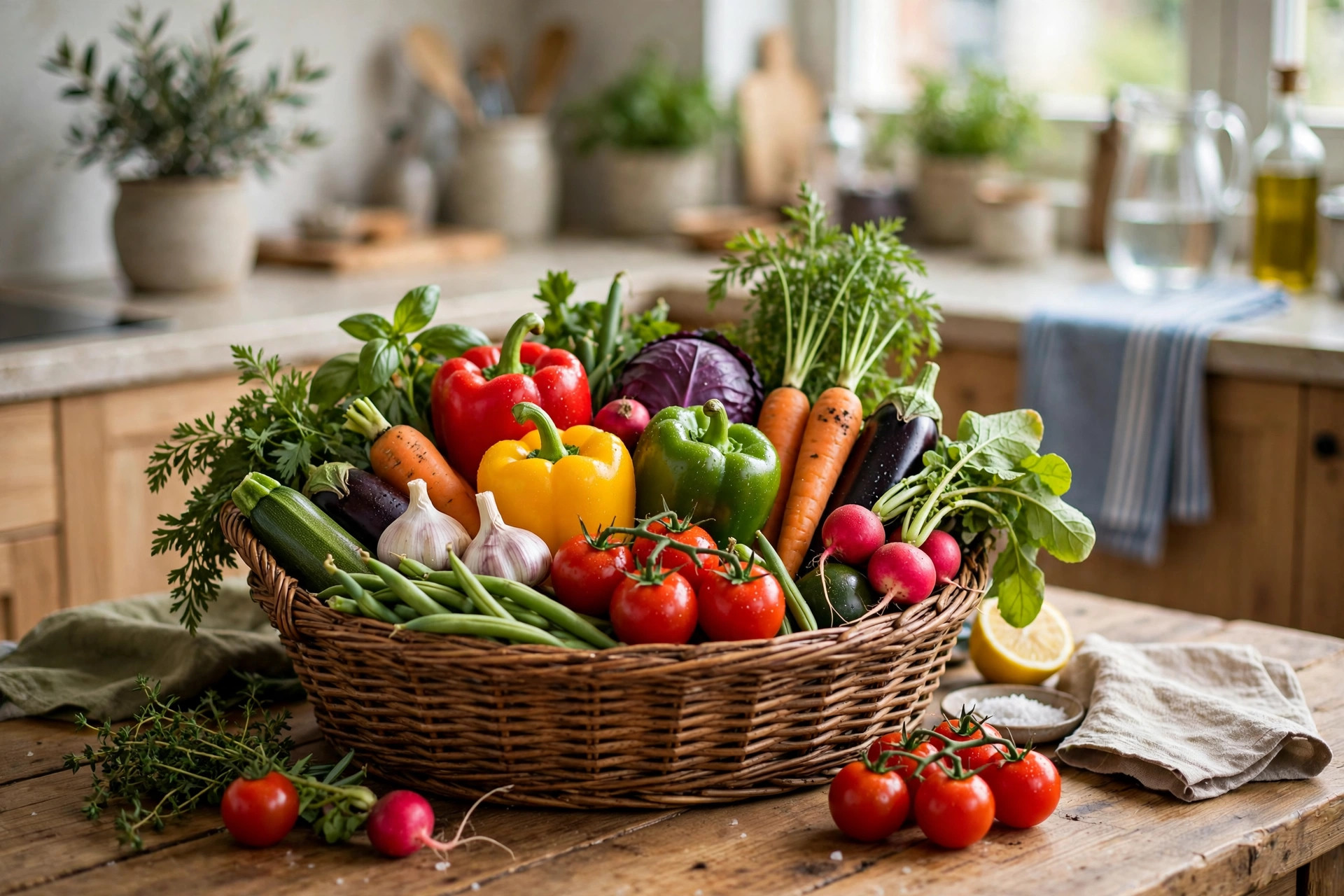
- No vegetable burns fat directly, because fat loss still needs fewer calories than the body uses each day, and vegetables win by filling the plate for very few calories.
- The strongest picks combine low calories with high fiber and high water, so a big serving keeps you full for hours without adding much energy.
- A practical United States target is about half the plate vegetables at lunch and dinner, or 2 to 3 cups of vegetables each day.
- Starchy vegetables like potatoes and corn are not banned, but portions matter, because their calories add up far faster than leafy greens.
Best Vegetables for Weight Loss And Why They Work
When people search for the best vegetables for weight loss, they usually want a short list they can trust and use the same day. The honest answer starts with how vegetables work, because no single vegetable melts fat on its own. Vegetables help by adding volume to meals, which means a full plate with far fewer calories than the same plate filled with bread, rice, or fried food. A cup of raw spinach has about 7 calories, while a cup of cooked white rice has about 200 calories, and that gap is the whole idea behind eating more vegetables.
Fiber is the second reason vegetables work so well. Fiber slows digestion, steadies blood sugar after meals, and keeps the stomach full for longer, which makes it easier to stop eating before the calories add up. Most vegetables also carry a lot of water, and water adds weight and volume to food without adding energy, so a big salad or a plate of roasted vegetables feels like a real meal. Together, low calories, high fiber, and high water make vegetables the easiest food group to eat in large amounts while staying in a calorie deficit.
In the United States, vegetables are also easy to buy in every season. Fresh produce is available in every supermarket, and frozen vegetables are often cheaper, last longer in the freezer, and keep almost all of their nutrition because they are frozen right after harvest. That matters for real life, because the best vegetable is the one you can afford, store, and cook without stress. A bag of frozen broccoli or green beans often costs 1 to 2 dollars, and it can turn a plain dinner into a full plate in ten minutes.
Vegetables alone do not cause weight loss, and that point has to stay clear. Fat loss still comes from the total day, which means food portions, protein, sleep, and movement all count. Vegetables make the calorie deficit easier and more comfortable, and that is why they belong at the center of a weight loss plan, not as a side dish you eat only when you remember.
How Vegetables Help Weight Loss In The United States
The plate method is the simplest way to use vegetables for weight loss, and it is the same idea behind the MyPlate guide used across the United States. Fill about half the plate with vegetables and fruit, a quarter with lean protein, and a quarter with whole grains or starchy food. That one change cuts hundreds of calories from a meal without any counting, because vegetables replace the higher calorie foods that used to fill that half of the plate.
Fiber targets give a useful number to aim for. Most adults in the United States do well with about 25 grams of fiber per day for women and about 38 grams for men, and vegetables are one of the easiest ways to reach those numbers. A cup of cooked broccoli adds about 5 grams of fiber, a cup of Brussels sprouts adds about 4 grams, and a cup of green beans adds about 4 grams. Add a serving at lunch and another at dinner, and the daily total climbs fast without any supplement.
Water content is the quiet advantage of the best picks. Cucumber and zucchini are about 95 percent water, bell peppers and lettuce are above 90 percent, and even cooked broccoli holds a lot of water. Foods with high water content let you eat a bigger portion for the same calories, which is why a large vegetable soup or a big salad feels satisfying even when the calorie count stays low. That fullness is what stops the evening snacking that ruins many diets.
Cost and convenience decide whether a plan survives past the first week. Fresh vegetables in season are usually the cheapest, and farmers markets in the summer often sell zucchini, peppers, and green beans for less than a dollar a pound. In winter, frozen vegetables take over, and they are already washed and cut, which saves time on busy days. Pre-cut fresh vegetables cost more, but they are worth it on weeks when cooking time is short, because a bag you actually eat beats a fresh head of cauliflower that rots in the fridge.
9 Best Vegetables for Weight Loss
These 9 picks are ranked by calories per cup, fiber, and how easy they are to use every day. Each one earns its place for a different reason, and together they cover salads, roasting, soups, stir fries, and snacks, so no meal has to repeat the same vegetable.
- Spinach. About 7 calories per cup raw, with iron, folate, and vitamin K in every handful. Spinach wilts into eggs, pasta, soups, and smoothies in under a minute, and a big handful shrinks to almost nothing, so you can add two or three cups without noticing the volume. Buy it fresh for salads or frozen for cooking, because frozen spinach is cheap and never goes bad in the freezer.
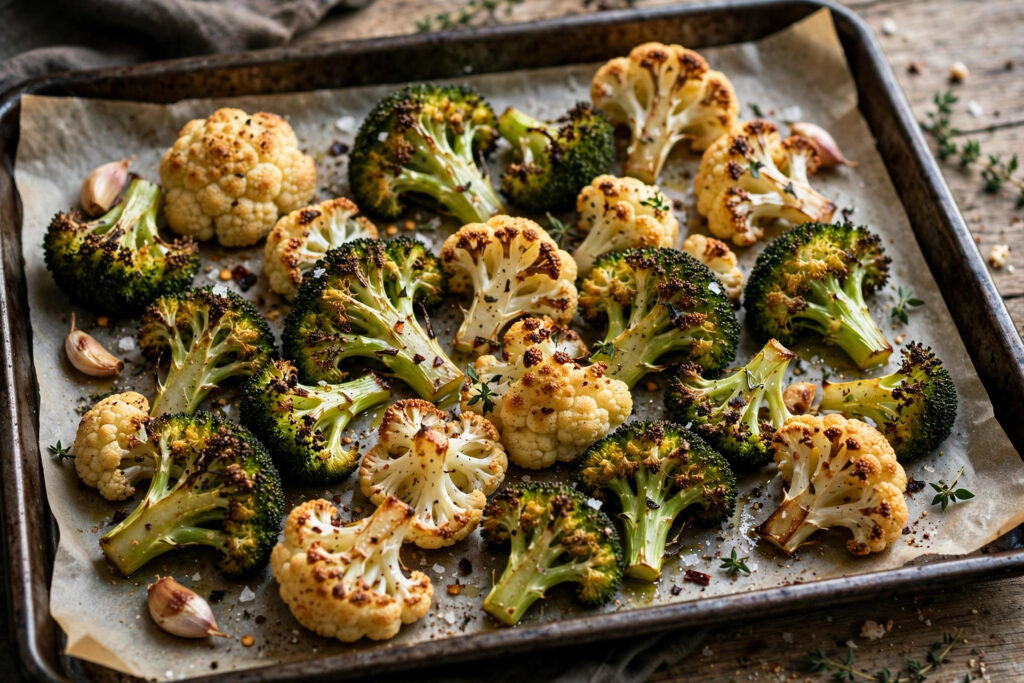
- Broccoli. About 55 calories per cup cooked, with about 5 grams of fiber and a strong dose of vitamin C. Broccoli is one of the most filling vegetables for its calories, because the fiber and the chewy texture slow every bite. Roast it with a little olive oil and garlic, steam it for a side dish, or add it to stir fries and pasta, and it holds its shape instead of turning soft.
- Cauliflower. About 25 calories per cup raw, with vitamin C and a mild flavor that takes on any seasoning. Cauliflower is the best swap vegetable on this list, because mashed cauliflower replaces half the potatoes in a mash, cauliflower rice replaces white rice, and roasted cauliflower works as a side dish on its own. That swap alone can save 100 calories or more per serving.
- Zucchini. About 20 calories per cup, with about 95 percent water and a soft texture that cooks in minutes. Zucchini noodles replace pasta in a lighter dinner, sliced zucchini roasts well with other vegetables, and grated zucchini disappears into soups and sauces while adding volume. It is also one of the cheapest summer vegetables in the United States, often under a dollar a pound at the peak of the season.
- Bell Peppers. About 30 to 40 calories per cup sliced, with more vitamin C than an orange and a natural sweetness that needs no dressing. Peppers are the best crunchy snack on this list, because a sliced pepper with hummus replaces chips for a fraction of the calories. They also roast beautifully, stuff well with lean ground turkey or beans, and add color to any stir fry.
- Green Beans. About 30 calories per cup, with about 4 grams of fiber and a satisfying snap when they are cooked right. Green beans work steamed, roasted, or sauteed with garlic, and they hold up well in a lunch box the next day. Frozen green beans are one of the best value vegetables in any United States supermarket, and they cook straight from frozen in about five minutes.
- Carrots. About 50 calories per cup, with beta carotene that the body turns into vitamin A, and a natural sweetness that makes them easy to eat raw. Carrots are the most portable vegetable for weight loss, because baby carrots need no cooking and no fridge for a few hours, and they pair with hummus or Greek yogurt dip for a filling snack. Roasted carrots turn sweet and soft, which makes them a good side dish for people who dislike raw vegetables.
- Brussels Sprouts. About 40 calories per cup, with about 4 grams of fiber and a nutty flavor when roasted. Brussels sprouts were once known as a bitter vegetable, but roasting them cut in half with a little olive oil changes the taste completely. They are high in fiber for their size, they keep well in the fridge for a week, and a roasted tray of them makes a filling side dish for chicken or fish.
- Mushrooms. About 15 to 20 calories per cup, with a meaty texture and a savory flavor that adds depth to any dish. Mushrooms are the best vegetable for cutting meat portions, because half mushrooms and half ground beef in tacos or pasta sauce tastes almost the same while saving a lot of calories and fat. Saute them with garlic, add them to eggs and soups, or roast a tray of portobello caps as a side dish.
Best Vegetables for Weight Loss At Every Meal
Breakfast is the easiest meal to improve, because vegetables slip into eggs without changing the routine. Add a handful of spinach and sliced mushrooms to scrambled eggs, or keep sliced peppers and carrots ready for a morning snack. A vegetable omelet with spinach, mushrooms, and peppers has about the same calories as a plain omelet, but it is twice the size and keeps you full until lunch.
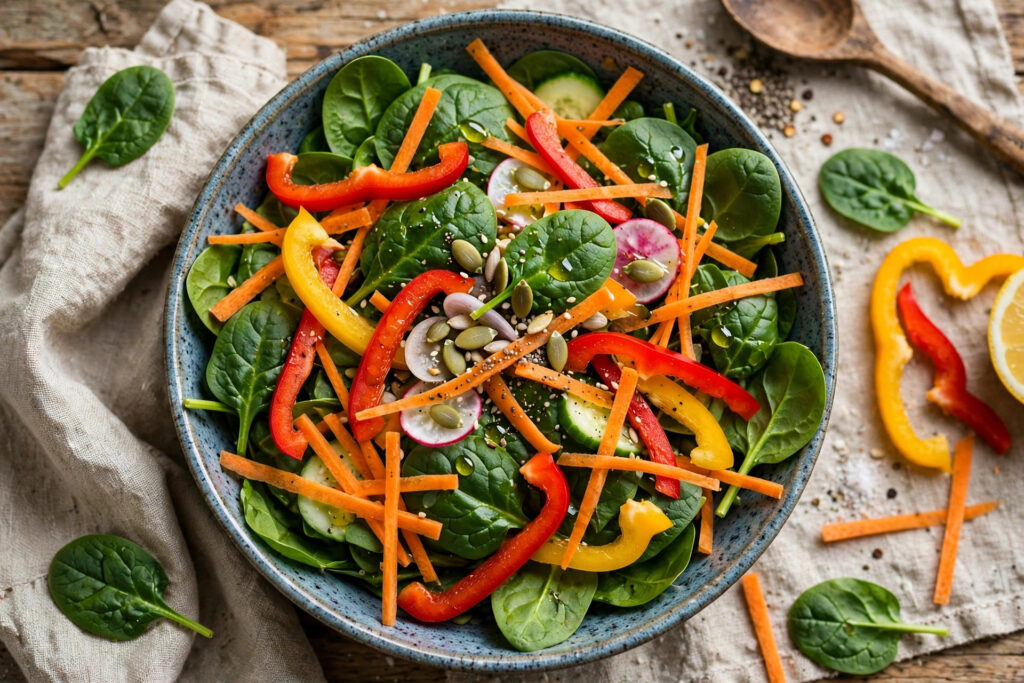
Lunch works best around a big salad or a vegetable soup. Start with spinach or mixed greens, add peppers, carrots, and green beans, then add a palm sized portion of lean protein like chicken breast, tuna, or tofu. A large soup made with broccoli, cauliflower, carrots, and zucchini is another strong option, because soup adds water and volume, and a full bowl often has fewer than 200 calories before protein is added.
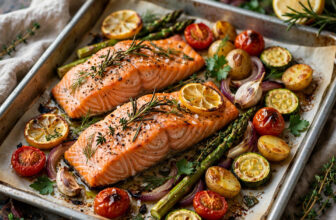
Dinner is where roasting wins. A tray of broccoli, cauliflower, Brussels sprouts, and carrots roasted with a little olive oil takes about 25 minutes and fills half the plate. Zucchini noodles with tomato sauce and lean ground turkey replace a heavy pasta dinner, and cauliflower rice under a stir fry saves calories without changing the flavor of the sauce. Keep the oil measured, because a free pour of olive oil can add 200 calories to an otherwise light tray of vegetables.
Snacks decide many weight loss plans, because a hungry afternoon is when chips and cookies appear. Keep sliced carrots, peppers, and cucumber in the fridge with a small pot of hummus or Greek yogurt dip, and the snack stays under 150 calories while still feeling like real food. Frozen vegetables also rescue busy nights, because a bag of stir fry vegetables plus a bag of frozen broccoli turns into dinner in ten minutes with no chopping at all.
Vegetables That Look Healthy But Slow Weight Loss
Potatoes are the most misunderstood vegetable in this group, because they are not bad food, but their calories add up fast. A cup of boiled potatoes has about 130 calories, and a cup of mashed potatoes with butter can reach 200 calories or more, which is four times the calories of the same amount of broccoli. The fix is portion and method, because a small baked potato with Greek yogurt instead of butter fits easily into a weight loss plan, while a large serving of fries does not.
Corn and peas sit in the same group. A cup of corn has about 130 calories and a cup of peas has about 120 calories, which is more than double the calories of green beans or zucchini. Both are still nutritious and high in fiber, so they do not need to be banned, but they should be treated like a starchy side dish, not a free vegetable. A half cup serving beside a big pile of leafy greens gives the flavor without the calorie load.
The real trap is not the vegetable itself, it is the coating. Veggie chips are usually fried in oil and carry almost the same calories as potato chips, tempura adds a thick layer of fried batter, and creamy sauces turn a light vegetable into a heavy dish. A cup of broccoli with cheese sauce can have triple the calories of plain steamed broccoli, and a salad drowned in ranch dressing can add 150 calories or more from two tablespoons of dressing alone. Steam, roast, or grill the vegetables, and keep sauces on the side where you can control the amount.
Salad bars deserve the same honest look. A salad built on spinach, peppers, carrots, and green beans is a strong weight loss meal, but the same salad with croutons, cheese, bacon bits, and a ladle of ranch dressing can pass 700 calories before any protein is added. The vegetables are not the problem, the toppings are, so build the base first and add only one or two extras.
How Much Vegetables To Eat Each Day
A simple daily target is 2 to 3 cups of vegetables, spread across lunch and dinner, with a serving at breakfast when it fits. That amount is easy to reach with the plate method, because half a plate of vegetables at two meals is already about 2 cups. People who eat almost no vegetables now should start smaller, because adding one extra serving per day for a week is more sustainable than jumping to a full plate on day one.
Variety matters as much as quantity. Different colors mean different nutrients, so a week that includes dark greens, orange carrots, red peppers, and white cauliflower covers far more vitamins than a week of only salad. Frozen vegetables count toward the total just like fresh ones, and canned vegetables count too when they are low in sodium and rinsed before use. The best plan is the one you can repeat, and a mix of fresh, frozen, and pre-cut vegetables makes repeating it easy.
Weekly prep makes the daily target realistic. Wash and chop peppers, carrots, and zucchini once on the weekend, roast a tray of broccoli and Brussels sprouts for two days of side dishes, and keep a bag of frozen stir fry vegetables for nights when cooking time is short. When vegetables are already washed and cut, they get eaten, and when they sit whole in the crisper drawer, they get forgotten.
Common Mistakes That Block Weight Loss
The first mistake is eating only salads. A plain salad with no protein and no variety gets boring in a week, and boredom leads straight back to old habits. Vegetables need protein beside them, and they need different cooking methods, because roasted, grilled, and stir fried vegetables taste nothing like a cold salad. Use all the methods, not just one.
The second mistake is drowning vegetables in oil, butter, or dressing. A tablespoon of olive oil adds about 120 calories, and a free pour over a roasting tray can add 300 calories before the vegetables even reach the plate. Measure the oil, use a spray bottle, or toss the vegetables in a bowl with one measured tablespoon so every piece is coated without a puddle at the bottom of the tray.
The third mistake is drinking juice instead of eating whole vegetables. Juice removes almost all the fiber, which is the part that keeps you full, and a glass of vegetable juice can carry the sugar of several carrots with none of the chewing that tells the brain a meal happened. Eat the vegetables whole, and save juice for a rare treat, not a daily habit.
The fourth mistake is forgetting protein. Vegetables plus protein keep you full for hours, while vegetables alone leave you hungry again in an hour. Add chicken breast, fish, eggs, tofu, or Greek yogurt to every vegetable heavy meal, and the same plate becomes a meal that lasts until the next one. A weight loss plan built only on vegetables is a plan that ends in a late night snack.
The fifth mistake is all or nothing thinking. One heavy meal does not ruin a week, and one day without vegetables does not cancel the days that went well. The people who lose weight and keep it off are the ones who return to the plan at the next meal, not the ones who wait until Monday to start again. Add vegetables to the next meal, keep portions honest, and let the weekly average decide the result.
FAQs
Which vegetable burns the most fat?
No vegetable burns fat directly, because fat loss still needs a calorie deficit, which means the body burns more energy than it takes in from food. The picks in this post help by replacing higher calorie foods with low calorie, high fiber volume, so the deficit feels easier. Spinach, mushrooms, and zucchini are the lowest in calories per cup, while broccoli and Brussels sprouts add the most fiber, so a mix of both gives the best result. Think of vegetables as the tool that makes fat loss comfortable, not as a fat burner on their own.
How many vegetables should I eat per day for weight loss?
A practical target is 2 to 3 cups of vegetables per day, spread across lunch and dinner, with a serving at breakfast when it fits. That amount matches the plate method used across the United States, where vegetables fill about half the plate at main meals. People who eat almost no vegetables now should start with one extra serving per day for a week, then add a second serving, because a gradual rise is easier to keep than a sudden jump. Frozen and fresh vegetables both count, and variety across colors covers more nutrients than a single vegetable repeated every day.
Are frozen vegetables as good as fresh vegetables for weight loss?
Yes, frozen vegetables are as good as fresh vegetables for weight loss, and in some cases they are better, because they are frozen right after harvest when their nutrition is at its peak. A cup of frozen broccoli has about the same calories and fiber as a cup of fresh broccoli, and frozen bags cost less, last for months, and need no washing or chopping. The only frozen vegetables to watch are the ones sold in butter sauce or cheese sauce, because the sauce adds the calories, not the vegetables. Plain frozen vegetables, steamed or roasted straight from the bag, are one of the easiest weight loss foods in any United States supermarket.
Can I eat unlimited vegetables and still lose weight?
Most non starchy vegetables are very hard to overeat, because a whole plate of spinach, zucchini, peppers, and green beans often has fewer than 150 calories, and the fiber and water fill the stomach long before the calories add up. The limit appears with starchy vegetables like potatoes, corn, and peas, where a large serving can add 200 calories or more, and with oil, butter, and dressing, where a free pour can add hundreds of calories to an otherwise light meal. Eat non starchy vegetables freely, keep starchy ones to about a half cup, and measure the oil and dressing, and the total will stay on track.
Conclusion
The best vegetables for weight loss are the ones you will eat every day, and the 9 picks in this post give you a full week of options without repeating a single meal. Spinach and mushrooms slip into breakfast, peppers and carrots cover snacks, and broccoli, cauliflower, zucchini, green beans, Brussels sprouts, and mushrooms fill lunch and dinner with volume for very few calories. Pair them with lean protein, keep sauces and oil measured, and treat starchy vegetables as a side dish with a real portion, not a free food.
Start with one change, because one change that lasts beats ten changes that stop after three days. Fill half the plate with vegetables at dinner tonight, add a serving of spinach to breakfast tomorrow, and keep sliced peppers and carrots ready for the afternoon. Judge progress over 8 to 12 weeks with the scale, a tape measure, and how your clothes fit, and the vegetables will do their quiet work in the background, meal after meal.