- Honey is sugar, not a fat burner, because one tablespoon holds about 64 calories with about 17 grams of sugar, and no food, including honey, melts fat on its own.
- Honey can still fit a weight loss plan, because it tastes sweeter than white sugar, so one teaspoon is often enough where sugar needed two, and that small swap saves calories every day.
- The honey water detox claim has no evidence, because warm water with honey and lemon does not burn fat, and the weight people lose on it comes from eating less, not from the drink.
- A practical United States target is 1 teaspoon a day, about 21 calories, used in tea, yogurt, or oatmeal, and never more than 1 tablespoon, because a large spoon of honey is a large spoon of sugar.
Is Honey Good for Weight Loss And What It Actually Does

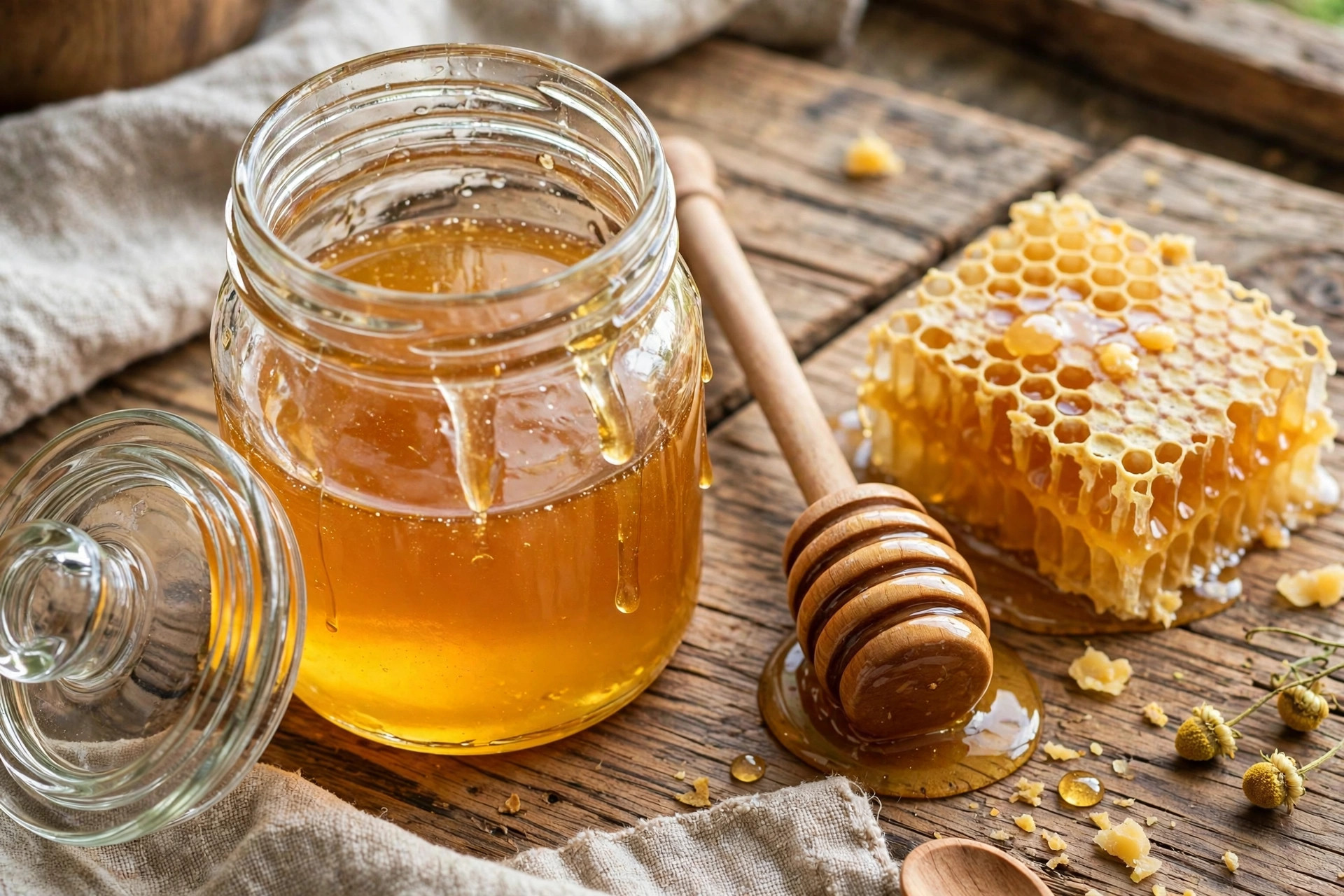
When people ask is honey good for weight loss, the honest answer is that honey is not a weight loss food, but it can be a weight loss friendly sweetener when the portion stays small. Honey is sugar in a natural form, with about 64 calories per tablespoon and about 17 grams of sugar, and sugar in any form adds calories without adding fullness. No honest post should claim that honey burns fat, because no study shows that, and the idea that honey melts belly fat is a myth that sells bottles, not results.
Honey works through sweetness, not through magic. Honey tastes sweeter than white sugar, so a teaspoon of honey can sweeten a cup of tea that needed two teaspoons of sugar, and that small swap saves about 25 calories every time it happens. Over a year of daily tea, that small swap saves about 9,000 calories, which is close to two and a half pounds of fat, all from changing one spoon. The saving is small on any single day, but it is real, and it is the only honest way honey helps weight loss, by replacing a larger amount of sugar with a smaller amount of honey.
The second reason is satisfaction, and it works the same way dark chocolate works. A small amount of honey in yogurt or oatmeal makes plain food taste like a treat, and a treat that feels complete stops a craving, while plain food that feels like punishment starts a search for something sweet. A teaspoon of honey on Greek yogurt turns a healthy breakfast into a dessert, and a breakfast that feels like a dessert is a breakfast that survives for months. That is why honey belongs in a weight loss plan as a flavor, not as a food, because a flavor needs only a teaspoon while a food needs a whole bowl.
The third reason is the trace nutrients, and they are worth one honest line. Honey carries small amounts of antioxidants, mainly flavonoids and phenolic acids, and darker honey carries more of them than light honey. Those compounds support general health in small ways, but they do not cause weight loss, and the amounts in a teaspoon are too small to matter much. The honest way to describe honey is that it is sugar with a small bonus, not sugar with a miracle, and that bonus is never a reason to eat more of it.
Honey Nutrition In The United States
To judge honey fairly, start with the numbers, because the gap between honey and white sugar is smaller than most people think. One tablespoon of honey holds about 64 calories, about 17 grams of sugar, about 17 grams of carbs, and zero fiber, zero protein, and zero fat. One tablespoon of white sugar holds about 48 calories with about 13 grams of sugar, which means honey actually carries MORE calories per spoon than sugar. The advantage of honey is not in the calories, it is in the sweetness, because honey tastes sweeter, so people use less of it, and using less is where the saving comes from.
One teaspoon is the number to remember, because a teaspoon of honey holds about 21 calories with about 6 grams of sugar, and that is the right daily amount for most people. Two teaspoons a day can also work for people who use honey in two different foods, but the second teaspoon should replace another sweet rather than sit on top of it, or the extra 21 calories will quietly add up. A tablespoon a day is the upper limit for a weight loss plan, because a tablespoon is 64 calories of pure sugar, and that is a lot of sugar for a single spoon.
The glycemic index of honey is about 58, which counts as medium, while white sugar sits near 65, so honey raises blood sugar a little more slowly than sugar. That difference is real but small, and it is not a reason to eat more honey, because a slower rise is still a rise, and the total sugar is what matters for weight loss. The practical rule is simple, and it holds for every sweetener, because the best sweetener is the one used in the smallest amount, and honey wins only when the amount stays small.
Water content is a small extra worth one honest line. Honey is about 17 percent water, with about 40 percent fructose and about 30 percent glucose, and that mix is what makes honey taste sweeter than sugar. Fructose tastes sweeter than glucose, so the fructose in honey is the reason a small spoon goes far, but fructose in large amounts is also hard on the liver, which is another reason the portion must stay small. A teaspoon of honey is a sweet flavor, while a quarter cup of honey is a sugar load, and the line between the two is the whole story of this post.
Why Honey Can Fit A Weight Loss Plan
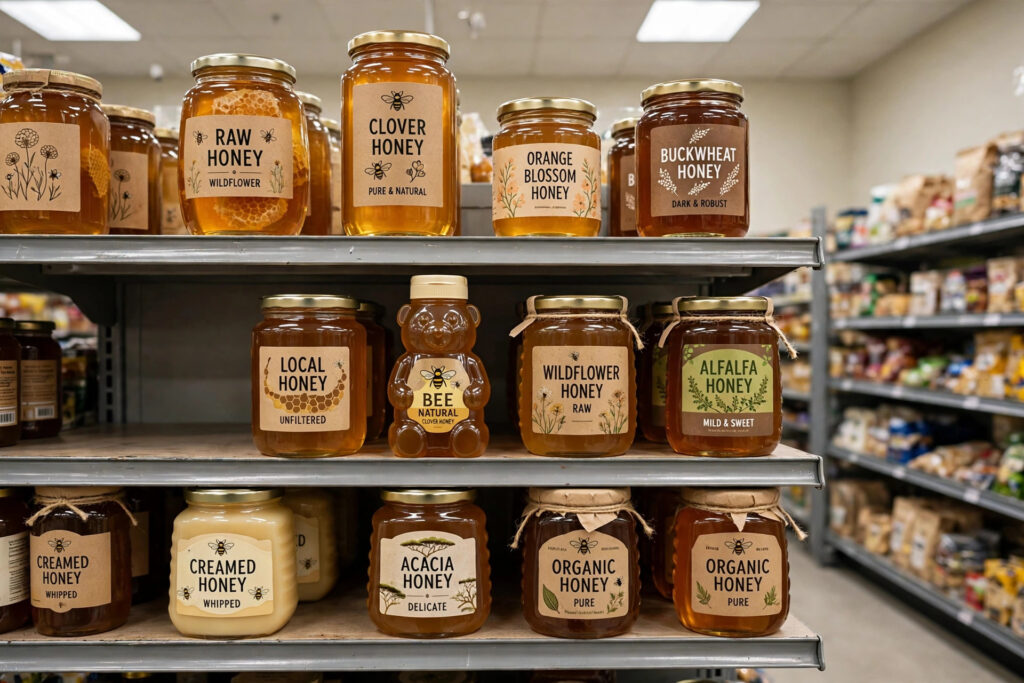
Stronger sweetness is the first reason honey earns its place in a weight loss plan, because a sweetener that tastes sweeter needs a smaller amount to do the same job. Honey tastes sweeter than white sugar, so one teaspoon of honey can sweeten a cup of tea that needed two teaspoons of sugar, and that swap saves about 25 calories every time. That saving looks small on one day, but it repeats every day, and a daily saving of 25 calories adds up to about 9,000 calories in a year, which is close to two and a half pounds of fat. The method is not a trick, it is simple arithmetic, and it works only when the honey spoon stays smaller than the sugar spoon it replaces.
Satisfaction is the second reason, and it works through flavor rather than through fullness. A teaspoon of honey in plain Greek yogurt or plain oatmeal turns a boring healthy food into a treat, and a treat that feels complete stops a craving, while plain food that feels like punishment starts a search for something sweet. That is why honey belongs in a weight loss plan as a flavor, because a flavor needs only a teaspoon, while a food needs a whole bowl. A person who enjoys breakfast is a person who keeps eating breakfast, and a breakfast habit that survives is worth far more than a perfect breakfast that lasts three days.
Trace antioxidants are the third reason, and they deserve an honest place in this post. Honey carries small amounts of flavonoids and phenolic acids, and darker honey carries more of them than light honey, which is why buckwheat honey looks almost black. Those compounds support general health in small ways, but they do not cause weight loss, and the amounts in a teaspoon are too small to matter much. The honest way to describe honey is that it is sugar with a small bonus, not sugar with a miracle, and that bonus is never a reason to eat more of it, because a large spoon of honey is still a large spoon of sugar.
Replacing refined sugar is the fourth reason, and it is the most practical one in the United States. Most people do not eat honey on its own, they eat it instead of sugar in tea, coffee, yogurt, and oatmeal, and that swap is where the benefit lives. A person who replaces two teaspoons of sugar with one teaspoon of honey in every cup of tea saves calories without feeling deprived, because the tea still tastes sweet. A person who adds honey on top of sugar saves nothing, because the honey is an extra, not a swap. The rule is simple, and it holds for every sweetener, because honey helps only when it replaces sugar, never when it joins sugar.
How Much Honey To Eat Each Day
One teaspoon a day is the right target for most people, and one teaspoon means about 21 calories with about 6 grams of sugar, which fits easily into a weight loss plan as a flavor in tea, yogurt, or oatmeal. That amount is enough to sweeten one cup or one bowl, and it is small enough that the sugar never matters. Two teaspoons a day can also work for people who use honey in two different foods, but the second teaspoon should replace another sweet rather than sit on top of it, or the extra 21 calories will quietly add up over weeks.
One tablespoon a day is the upper limit for a weight loss plan, because a tablespoon holds about 64 calories with about 17 grams of sugar, and that is a lot of sugar for a single spoon. A person who eats a tablespoon of honey every day is eating about 450 calories of sugar per week, which is close to a full meal of pure sugar, and that amount can slow fat loss on its own. The fix is to measure the honey with a real teaspoon, because a free pour from the jar can easily pass a tablespoon without noticing, and a measured spoon is the only spoon that stays honest.
The best time for honey is in the morning or in the afternoon, because a teaspoon in morning tea or afternoon yogurt gives the day a sweet moment to look forward to, and a sweet moment that arrives on schedule keeps motivation alive. Honey at night is also fine in a small amount, because a teaspoon in warm milk or herbal tea can feel like comfort before sleep, and comfort is what the craving is really asking for. The time of day matters far less than the amount, because a teaspoon helps at any hour while a quarter cup hurts at every hour.
A tablespoon in a recipe is the number to watch, because baking with honey is where portions grow quietly. A recipe that calls for a quarter cup of honey holds about 260 calories of sugar, and a person who eats two servings of that recipe has eaten half a cup of honey without noticing. The fix is to cut the honey in a recipe by a third and add a little extra spice, because cinnamon, vanilla, and lemon lift flavor without adding sugar, and a recipe that tastes sweet with less honey is a recipe that protects the plan.
7 Ways To Use Honey For Weight Loss
- The tea sweetener. Stir 1 teaspoon of honey into a cup of green tea or black tea instead of 2 teaspoons of sugar, and the tea still tastes sweet while saving about 25 calories. This is the simplest use in the whole post, because it needs no recipe and no planning, and it repeats every day, which is where the saving lives. Use the honey after the tea has cooled slightly, because very hot water can dull the flavor, and a cooler cup lets the honey shine.
- The yogurt topping. Drizzle 1 teaspoon of honey over a cup of plain Greek yogurt with berries, and the bowl gains a dessert flavor with only about 21 extra calories. The combination is one of the highest protein snacks in this whole series, with about 17 grams of protein in a single bowl, and it holds hunger for hours in a way that honey alone never does. Use plain yogurt for this one, because flavored yogurt adds sugar to a snack that was chosen for being light.
- The oatmeal sweetener. Stir 1 teaspoon of honey into a bowl of plain oatmeal with cinnamon, and the oats gain a sweet flavor with only about 21 extra calories. Plain oatmeal on its own is healthy but plain, which is why many people add sugar and brown sugar to it, and the honey fixes exactly that weakness with far fewer calories. The combined bowl carries about 220 calories with real fiber and a dessert flavor, which is a full breakfast that holds until lunch.
- The toast partner. Spread 1 teaspoon of honey over whole grain toast with natural peanut butter, and the toast gains a sweet salty balance with only about 21 extra calories. The combination carries about 250 calories in total with protein, fiber, and healthy fat, so it works as a real breakfast rather than a snack. Measure the honey first, because a free drizzle from the jar can easily pass a tablespoon, and a tablespoon turns a healthy toast into a sugar sandwich.
- The salad dressing. Whisk 1 teaspoon of honey with lemon juice, olive oil, and mustard, and the dressing gains a sweet balance with only about 21 extra calories. A store bought sweet dressing can carry 140 calories per serving with added sugar and oil, so the homemade version saves about 100 calories while tasting fresher. This works best on bitter greens, because the honey softens the bite of arugula and kale without drowning the salad in sugar.
- The lemon water. Stir 1 teaspoon of honey into a glass of warm water with lemon, and the drink feels like comfort with only about 21 calories. This is the drink that sells the detox myth, so the honest line matters here, because the drink does not burn fat, and the weight people lose on it comes from eating less, not from the drink. Use it as a warm comfort drink, not as a fat burner, because a comfort drink that replaces a sweet soda saves about 130 calories, and that saving is real.
- The smoothie sweetener. Blend 1 teaspoon of honey into a smoothie of Greek yogurt, berries, and spinach, and the smoothie gains a sweet flavor with only about 21 extra calories. A cafe smoothie can carry 300 to 400 calories with syrup and juice, so the homemade version saves about 200 calories while tasting almost the same. This works best as a breakfast, when a cold sweet drink feels like a treat, because a treat that costs 21 calories is the best kind of treat.
Mistakes That Turn Honey Into A Weight Gain Food
The mistakes below are the reason the answer to is honey good for weight loss changes from yes to no in real life, because the spoon counts calories, not good intentions, and the gap between the two is where most plans fail. The first mistake is the free pour, and it is the most common one in the United States. A free drizzle from the jar can easily pass a tablespoon, and a tablespoon holds about 64 calories, so a person who pours freely can add 100 calories to tea without noticing. The fix is to measure the honey with a real teaspoon, because a measured spoon is the only spoon that stays honest, and a jar with a dipper is easier to control than a jar with a wide mouth.
The second mistake is the detox myth, because a person who drinks honey water every morning and eats the same as before will not lose weight, and the disappointment that follows can end the whole plan. Warm water with honey and lemon does not burn fat, and no drink does, because fat loss comes from a daily calorie deficit, not from a morning ritual. The fix is to use honey water as a comfort drink that replaces a sweet soda, because that swap saves about 130 calories, and a real saving beats a magic claim every time.
The third mistake is honey on top of sugar, because a person who adds honey to an already sweet food saves nothing. Honey in sweetened yogurt, honey on a frosted cereal, and honey in a sweet coffee drink are all extras, not swaps, and an extra teaspoon adds 21 calories to a food that was already sweet enough. The fix is to use honey only in plain foods, because plain yogurt, plain oatmeal, and plain tea are the foods that need sweetness, while sweet foods need nothing at all.
The fourth mistake is the baking trap, because a recipe that calls for a quarter cup of honey holds about 260 calories of sugar, and a person who eats two servings of that recipe has eaten half a cup of honey without noticing. Honey in baking is still sugar, and the word natural on the jar does not change the calories inside it. The fix is to cut the honey in a recipe by a third and add cinnamon, vanilla, or lemon, because spice lifts flavor without adding sugar, and a recipe that tastes sweet with less honey is a recipe that protects the plan.
The fifth mistake is expecting honey to work alone. A daily teaspoon changes nothing when the rest of the day is fast food, sweet drinks, and no movement, because fat loss comes from the total day, not from a single spoon. Honey is a support player, and it only helps when food, sleep, and walking are already close to right. The people who get results from it are the ones who use it to replace sugar, not the ones who buy it hoping it will fix a whole diet.
Honey Compared With Other Sweeteners
White sugar is the closest rival to honey, and the comparison is honest rather than one sided. One tablespoon of white sugar holds about 48 calories with about 13 grams of sugar, while one tablespoon of honey holds about 64 calories with about 17 grams of sugar, so honey actually carries MORE calories per spoon. Honey wins only on sweetness, because it tastes sweeter, so people use less of it, and using less is where the saving comes from. For weight loss, honey is the better pick only when the spoon stays smaller, and sugar is the better pick only when the recipe needs an exact measure.
Maple syrup is the second comparison, and it is the closest one to settle. One tablespoon of maple syrup holds about 52 calories with about 12 grams of sugar, which is a little less than honey, and it carries a small amount of minerals like manganese and zinc. Honey wins on sweetness, because it tastes sweeter than maple syrup, so a smaller spoon does the same job, while maple syrup wins on calories per spoon. Either sweetener is a fair choice in a small amount, and the best plan uses the one that tastes best in the food, because a sweetener that tastes good needs a smaller spoon.
Stevia is the third comparison, and it is the one where stevia wins clearly. Stevia carries zero calories with zero sugar, because it is a plant extract that tastes sweet without any energy, and a packet of stevia sweetens a cup of tea for nothing. Honey wins on taste, because stevia can leave a bitter aftertaste that many people dislike, while honey tastes rich and natural. For weight loss, stevia is the better daily sweetener by the numbers, while honey is the better occasional sweetener by taste, and the best plan uses stevia on normal days and honey on the days when only honey will do.
Agave is the fourth comparison, and it is the one where honey wins clearly. One tablespoon of agave holds about 60 calories with about 16 grams of sugar, which looks close to honey on paper, but agave is very high in fructose, with about 85 percent of its sugar as fructose, while honey is about 40 percent fructose. A high fructose sweetener is harder on the liver in large amounts, and agave tastes less sweet than honey, so people use more of it. Honey is the better pick in almost every case, and agave is the better pick only when a recipe needs a thin syrup that pours easily.
Brown sugar is the last comparison, and it is the easiest one to settle. One tablespoon of brown sugar holds about 52 calories with about 13 grams of sugar, which is almost the same as white sugar, because brown sugar is white sugar with a little molasses added for color and flavor. Honey wins on sweetness and on trace nutrients, because it tastes sweeter and carries small amounts of antioxidants, while brown sugar wins on price, because it is far cheaper per pound. Either sweetener works in a small amount, but honey is the better pick when the goal is flavor, and brown sugar is the better pick when the goal is baking on a budget.
How To Buy Honey In The United States
The label is the whole skill, and it takes less than a minute once the pattern is known. First, check that the label says 100 percent honey, with no added sugar, corn syrup, or flavoring, because a jar that says honey blend or honey flavored syrup is not honey at all. Second, check the ingredients list, and a good jar lists one ingredient, honey, while a poor jar lists honey plus corn syrup or sugar. Third, check the price, and remember that real honey is never the cheapest sweetener on the shelf, because a cheap jar is often cut with syrup, and a fair price for a small jar in the United States is about 5 to 8 dollars.
Raw honey is the second check, and it deserves an honest answer. Raw honey is honey that has not been heated or filtered, so it keeps more pollen and more antioxidants than processed honey, and it often looks cloudy rather than clear. For weight loss, raw honey and processed honey are almost the same, because the calories and the sugar are the same in both, and the extra nutrients in raw honey are too small to matter. Raw honey is the better pick for flavor and for general health, but it is never a reason to eat more of it, because a large spoon of raw honey is still a large spoon of sugar.
Local honey is the last check, and the news is mixed. Local honey is often fresher and it supports local beekeepers, which is a real benefit, but the claim that local honey cures allergies has weak evidence, and no honest post should promise that it does. Buy local honey when it tastes good and the price is fair, because fresh honey tastes better than old honey, and a honey that tastes good needs a smaller spoon. Either jar works for weight loss, as long as the label says 100 percent honey, the spoon stays small, and the honey replaces sugar instead of joining it.
One safety line belongs in this section, because honey is one of the few foods with a hard rule. Never give honey to a baby under one year old, because honey can carry spores that cause infant botulism, which is a rare but serious illness. That rule applies to raw honey and to processed honey alike, and it has nothing to do with weight loss, but it belongs in any honest post about honey, because a post that skips it is a post that is not complete.
FAQs
Is honey good for weight loss?
Honey is not a weight loss food, but it can fit a weight loss plan as a sweetener, because it tastes sweeter than white sugar, so one teaspoon of honey can replace two teaspoons of sugar and save about 25 calories. One teaspoon holds about 21 calories with about 6 grams of sugar, which is small enough to fit any plan, while one tablespoon holds about 64 calories and is the upper limit. Honey does not burn fat, and honey water does not melt fat, so the benefit is only the smaller sweeter spoon, not any magic in the jar.
How much honey can I eat a day to lose weight?
One teaspoon a day is the right target for most people, and one teaspoon means about 21 calories with about 6 grams of sugar, which fits easily into a weight loss plan as a flavor in tea, yogurt, or oatmeal. Two teaspoons a day can also work for people who use honey in two different foods, but the second teaspoon should replace another sweet rather than sit on top of it. One tablespoon a day is the upper limit, because a tablespoon holds about 64 calories of pure sugar, and a free pour from the jar can easily pass that amount without noticing.
Is honey better than sugar for weight loss?
Honey is better than sugar only when the spoon stays smaller, because one tablespoon of honey holds about 64 calories while one tablespoon of sugar holds about 48 calories, so honey actually carries more calories per spoon. Honey wins on sweetness, because it tastes sweeter, so people use less of it, and using less is where the saving comes from. Honey also carries small amounts of antioxidants that sugar lacks, but those amounts are too small to matter much. For weight loss, the best sweetener is the one used in the smallest amount, and honey wins only when the amount stays small.
Does honey water burn fat?
No, honey water does not burn fat, because no drink burns fat, and the weight people lose on honey water comes from eating less, not from the drink. Warm water with honey and lemon is a pleasant comfort drink, and it can help weight loss only when it replaces a sweet soda, because that swap saves about 130 calories. A teaspoon of honey in warm water with lemon is a fine habit, but it is a comfort drink, not a fat burner, and any post that calls it a detox is selling a myth, not a result.
Is raw honey better for weight loss than regular honey?
Raw honey and regular honey are almost the same for weight loss, because the calories and the sugar are the same in both, with about 64 calories per tablespoon and about 17 grams of sugar. Raw honey keeps more pollen and more antioxidants, because it has not been heated or filtered, and it often tastes richer than processed honey. That richer taste can help, because a honey that tastes better needs a smaller spoon, but raw honey is never a reason to eat more of it. Never give any honey to a baby under one year old, because honey can carry spores that cause infant botulism.
Conclusion
So the honest answer to is honey good for weight loss is that honey is not a weight loss food, but it can be a weight loss friendly sweetener when the portion stays near one teaspoon a day. Honey gives a sweet flavor for about 21 calories per teaspoon, which is enough to turn plain tea, yogurt, or oatmeal into a treat without breaking the day, and it replaces refined sugar with a smaller sweeter spoon. It is not a fat burner, and honey water does not melt fat, but it does not need to be, because a sweetener that makes a smaller daily calorie total easy to hold is exactly what weight loss needs.
Start tomorrow with one teaspoon of honey in morning tea instead of two teaspoons of sugar, and judge it by the taste rather than by the scale in the morning. If the tea still tastes sweet and the day feels easier, the honey is doing its job, and it will keep doing it for as long as the spoon stays small and the honey replaces sugar. That is the whole secret of honey, because it is not a trick food, it is sugar with a sweeter taste that fits real life, and real life is where weight loss is actually won.