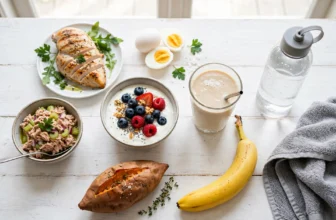
Healthy meal prep ideas for weight loss work because they remove the daily food decisions that cause overeating. Spend two to three hours cooking once a week. Build every meal from lean protein, half a plate of vegetables, a smart carb like brown rice or quinoa, and a small amount of healthy fat. Store three to four days of meals in the fridge and freeze the rest for later in the week.
Key Takeaways
- Planning meals in advance removes the tired evening decisions that lead to takeout and overeating.
- The most effective plate is half vegetables, one quarter lean protein, and one quarter smart carbs.
- Two to three hours of Sunday cooking can cover breakfasts, lunches, dinners, and snacks for most of the week.
- Cooked meals stay safe for three to four days in the fridge and up to three months in the freezer.
- Bold seasoning with herbs and spices keeps meal prep tasty so the habit lasts.
Losing weight is rarely a knowledge problem. Most people already know that grilled chicken beats fried chicken. The real problem shows up at 7 PM on a busy weeknight. You are tired, you are hungry, and there is nothing ready to eat, so takeout wins again. Healthy meal prep ideas for weight loss solve this exact problem. When healthy food is already cooked, portioned, and waiting in the fridge, the easy choice and the healthy choice become the same choice.
Meal prep also protects your portions. You decide serving sizes on Sunday when you are calm and focused, not on Wednesday night when hunger is making the decisions for you. Research on planned eating shows that people who plan their meals eat more vegetables and take in fewer calories across the week. It is a simple habit with an outsized payoff, and it works for beginners as well as experienced cooks.
Why Healthy Meal Prep Ideas for Weight Loss Work So Well
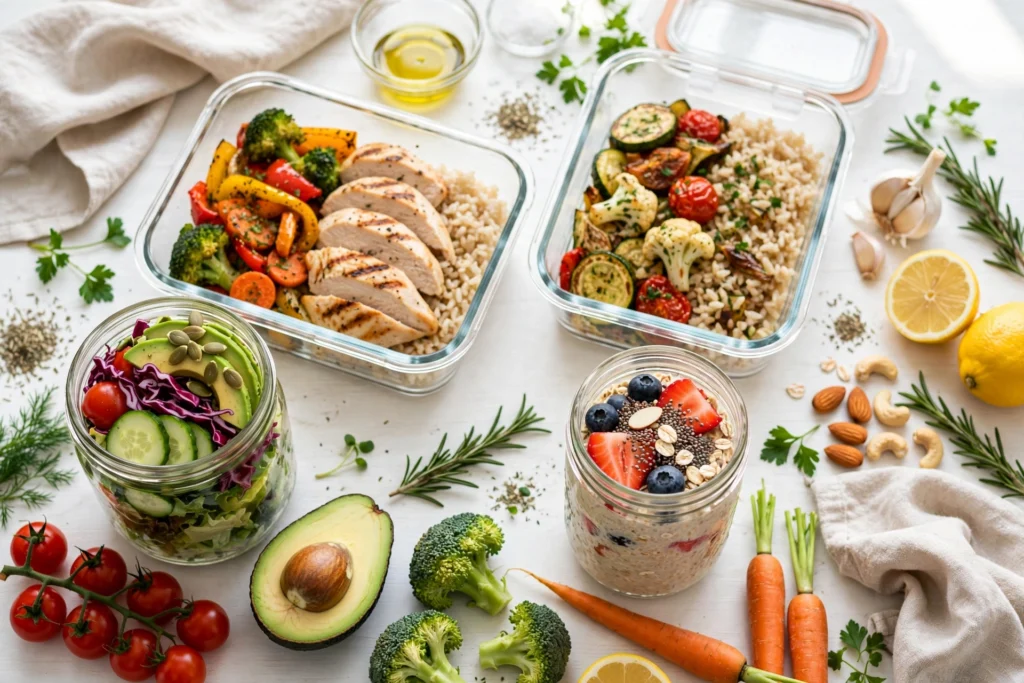
The science is straightforward. Every food decision you make during the day drains a little mental energy. By evening, that energy is gone, and willpower alone rarely survives contact with an empty fridge. Meal prep moves all the hard decisions to one focused session per week. You shop once, cook once, and portion once. For the rest of the week, eating well requires zero decisions.
There is also a money benefit that keeps people motivated. Home cooked meals cost a fraction of restaurant food, and prepping in bulk cuts grocery waste because every ingredient has a plan. Many people find that the money saved in the first month pays for good glass containers and still leaves extra cash. When a habit saves both calories and dollars, it tends to stick.
Five Rules Behind Healthy Meal Prep Ideas for Weight Loss
Put protein in every meal. Protein is the most filling nutrient, and it protects muscle while you lose fat. Aim for a palm sized portion, roughly 20 to 30 grams, at each meal. Good prep friendly options are chicken breast, turkey, eggs, Greek yogurt, lentils, and tofu. If a meal has no clear protein source, it will not keep you full for long.
Fill half the plate with vegetables. Vegetables add volume and fiber with very few calories, which means a bigger and more satisfying plate for less energy. Roast large trays of broccoli, bell peppers, zucchini, and carrots at the start of the week. They reheat well and pair with almost any protein.
Choose smart carbs. Brown rice, quinoa, oats, sweet potatoes, and whole grain wraps digest slowly and keep hunger away for hours. A moderate portion, about one quarter of the plate, is plenty. Refined carbs like white bread and pastries do the opposite. They spike blood sugar and bring hunger back fast.
Keep healthy fats small. Olive oil, avocado, nuts, and seeds are nutritious but calorie dense. One tablespoon of olive oil carries about 120 calories, so measure instead of pouring freely. A quarter of an avocado or a small handful of almonds is the right scale for one meal.
Season boldly. Bland food is the number one reason people quit meal prep by week two. Garlic, lemon juice, smoked paprika, cumin, chili flakes, and fresh herbs add huge flavor for almost no calories. Marinate proteins before cooking and taste your grains before portioning them into containers.
A Seven Day Weight Loss Meal Prep Plan
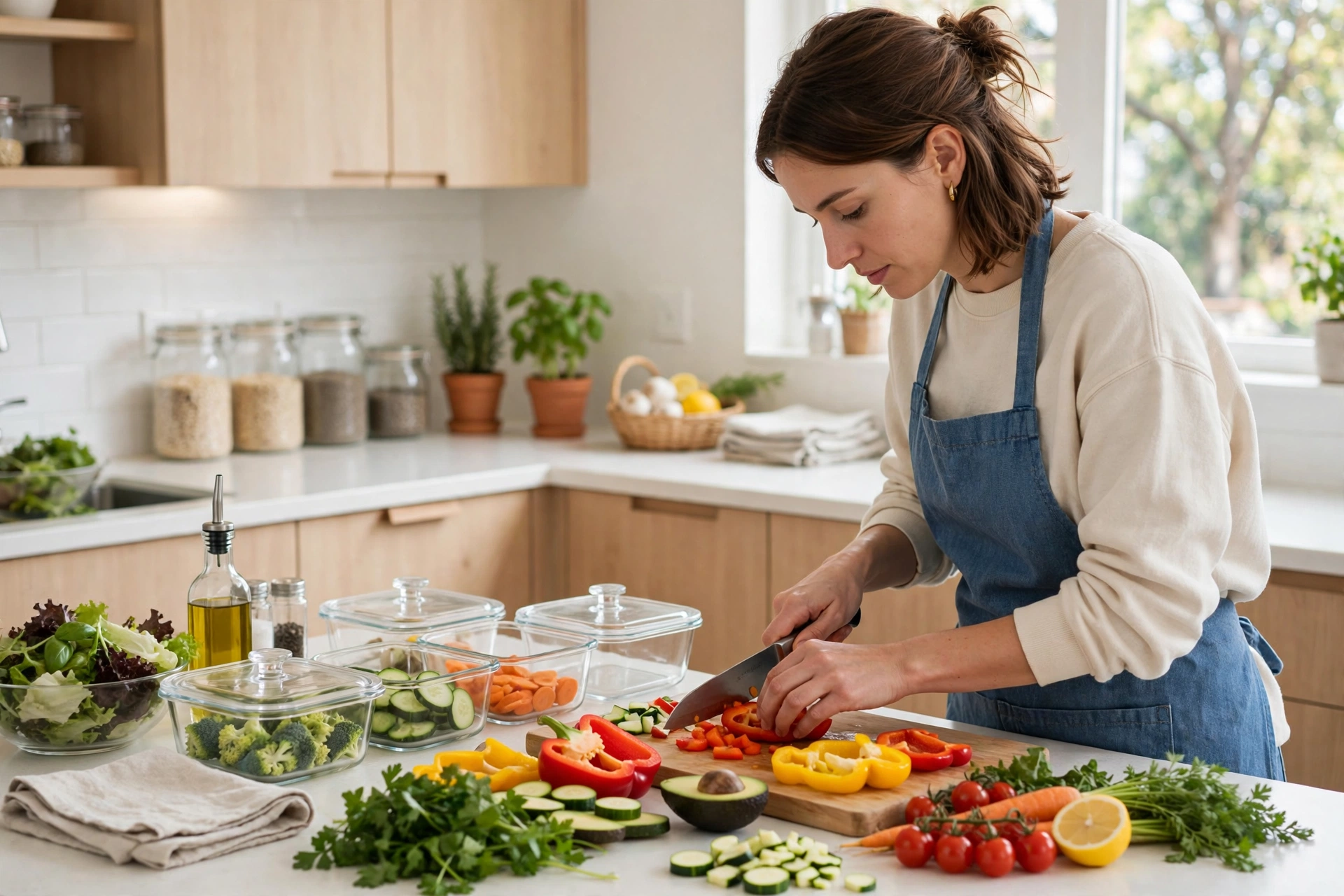
This plan assumes one cooking session of about two and a half hours, ideally on Sunday. Cook all grains, roast all vegetables, and bake or grill all proteins at the same time, using the oven and stovetop in parallel. Portion everything into airtight containers as it cools. Eat the first three days from the fridge and freeze the rest, then move frozen meals to the fridge the night before you need them.
Monday. Start with overnight oats and berries. Lunch is chicken with brown rice and roasted vegetables. Dinner is turkey patties with sweet potato and broccoli.
Tuesday. Repeat the same breakfast and lunch as Monday to save time. Dinner is a warm bowl of lentil soup.
Wednesday. Breakfast is Greek yogurt with granola. Lunch is a mason jar salad with chickpeas. Dinner is turkey patties with sweet potato and broccoli again.
Thursday. Breakfast is vegetable egg muffins. Lunch is another mason jar salad with chickpeas. Dinner is baked salmon with quinoa and asparagus.
Friday. Breakfast is Greek yogurt with granola. Lunch is chicken with brown rice and roasted vegetables. Dinner is lentil soup.
Saturday. This is the flexible day. Breakfast is vegetable egg muffins. Lunch is whatever leftovers you like best. Dinner is a quick tofu stir fry with mixed vegetables.
Sunday. Breakfast is oatmeal with banana. Lunch is flexible leftovers. Dinner is prep day, so cook fresh and start the new week.
Treat Saturday as a flexible day on purpose. A plan that allows real life lasts longer than a perfect plan you abandon. If you eat out once, simply return to the prepped meals at the next meal without guilt.
Ten Easy Weight Loss Meal Prep Recipes
Overnight oats jars. Combine half a cup of rolled oats with half a cup of milk, one tablespoon of chia seeds, and half a cup of berries in a jar. Refrigerate overnight. Five jars take ten minutes and cover most of the week. Cinnamon or a little honey adds flavor without many calories.
Vegetable egg muffins. Whisk eight eggs with chopped spinach, bell pepper, and onion. Pour into a greased muffin tin and bake at 350 degrees Fahrenheit for about twenty minutes. Two muffins make a protein rich breakfast that reheats in under a minute.
Greek yogurt parfaits. Layer plain Greek yogurt with berries and a small handful of granola in jars. Keep the granola separate until eating if you want it crunchy. Each jar delivers around 20 grams of protein.
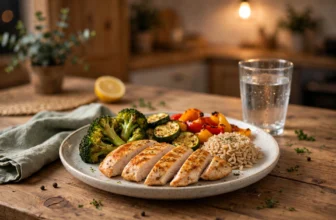
Chicken power bowls. Grill or bake seasoned chicken breasts, cook a pot of brown rice, and roast a tray of broccoli and carrots. Divide into containers using the same simple ratio every time. A squeeze of lemon before eating keeps the flavors fresh.
Mason jar salads. Put dressing at the bottom of the jar, then chickpeas or beans, then chopped vegetables, with greens packed on top. Stored upright, the greens stay crisp for four days. Shake well before eating.
Turkey wraps. Keep whole grain wraps, sliced turkey, hummus, and shredded vegetables ready, and assemble wraps the same day you eat them so they do not get soggy. Two wraps with a side of fruit make a complete lunch.
Turkey and sweet potato trays. Form lean ground turkey into patties with garlic and paprika. Roast alongside cubed sweet potato and green beans at 400 degrees Fahrenheit. This single sheet pan dinner portions neatly into four meals.
Big pot lentil soup. Simmer red lentils with diced carrots, celery, onion, garlic, and cumin for about thirty minutes. It thickens as it cools and freezes beautifully. One pot makes six generous servings.
Baked salmon with quinoa. Bake salmon fillets at 400 degrees Fahrenheit for twelve to fifteen minutes while quinoa simmers on the stove. Add roasted asparagus for a complete meal. Eat fish portions within three days for the best quality.
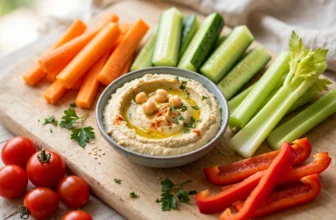
Snack boxes. Pack small containers with a hard boiled egg, vegetable sticks, two tablespoons of hummus, and a few almonds. Having snacks prepped stops the vending machine from winning at 4 PM.
How Long Meal Prepped Food Lasts
Most cooked meals stay safe for three to four days in the refrigerator, which is why the freeze half strategy works so well. Cooked chicken, turkey, grains, and roasted vegetables all freeze for up to three months without much quality loss. Soups and stews are the best freezers in the kitchen.
Hard boiled eggs in their shells, overnight oats, and mason jar salads last five to seven days refrigerated. Fish is the exception, so plan to eat salmon or other fish within two to three days. Always cool food before sealing containers, because trapped steam creates moisture that spoils food faster. When reheating, heat until steaming throughout.
Five Meal Prep Mistakes That Slow Weight Loss
The first mistake is zero variety. Eating identical chicken and rice for seven straight days works for about ten days, then you quit and order pizza for a week. Prep two proteins and two grains and mix them into different combinations so the week has some range.
The second mistake is bland food. Underseasoned meal prep tastes like punishment, and no one sustains punishment. Salt your cooking water, marinate proteins for at least thirty minutes, and finish bowls with lemon juice or hot sauce.
The third mistake is wrong portions. Meal prep controls what you eat, but you still control how much goes into the container. Use the plate method as your guide. Half vegetables, one quarter protein, one quarter smart carbs. A food scale for the first two weeks can calibrate your eye.
The fourth mistake is prepping too much too soon. A full seven day prep is a big project for a beginner. Start with three or four days. Once the routine feels easy, expand it. A small habit you keep beats a big plan you drop.
The fifth mistake is skipping snacks. An unplanned afternoon hunger crash causes more damage than any single meal. Prepped snack boxes cost ten minutes and protect the whole day.
FAQs
How do I start meal prepping for weight loss as a beginner?
Start with three or four days instead of a full week. Pick two breakfasts, two lunches, and two dinners, shop from a written list, and cook everything in one two hour session. Once the routine feels easy, expand to seven days.
What foods are best for weight loss meal prep?
The best foods are lean proteins like chicken, turkey, eggs, and lentils, high fiber vegetables like broccoli and peppers, smart carbs like brown rice, quinoa, and oats, and small amounts of healthy fats. These foods reheat well and keep you full.
How many calories should my meal prep meals have?
A common and sustainable split is 300 to 400 calories at breakfast, 400 to 500 at lunch, 400 to 500 at dinner, and 100 to 200 per snack. That lands most people between 1,400 and 1,800 calories per day. Adjust up or down based on your size and activity level.
Does meal prep actually help with weight loss?
Yes. People who plan and prep meals eat more vegetables and fewer calories than people who decide meal by meal. The mechanism is simple. Fewer daily decisions means fewer chances for hunger and fatigue to choose takeout.
How do I keep meal prep from getting boring?
Rotate two proteins and two grains each week, change your seasoning profile weekly, and keep three or four sauce options ready. Small changes like switching from cumin to Italian herbs make the same ingredients feel like new meals.
Conclusion
Healthy meal prep ideas for weight loss are the closest thing to a cheat code for lasting results. One focused cooking session removes a full week of risky food decisions. Start small with three or four days, build every meal from protein, vegetables, and smart carbs, season your food like you mean it, and store it properly.
Within two weeks the habit will feel normal, and within two months it will feel strange to live any other way. The healthy choice becomes the easy choice, and that is when lasting weight loss happens.